What to Do During a Panic Attack
A step-by-step, evidence-based guide
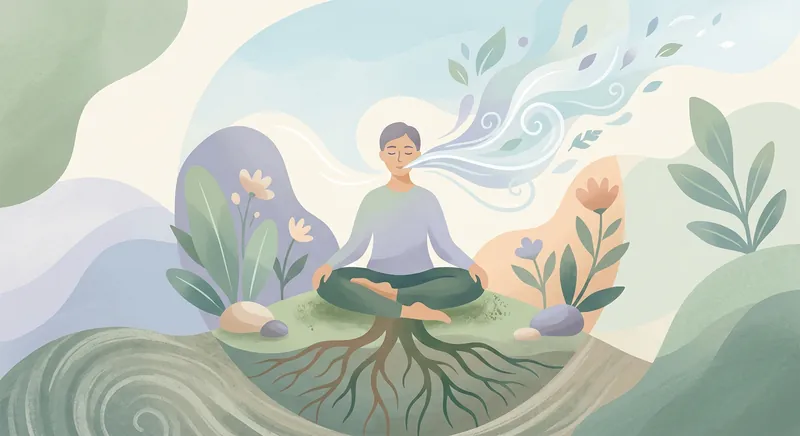
A panic attack is a sudden episode of intense fear that triggers severe physical reactions. The American Psychological Association reports that many people experience at least one panic attack in their lifetime.
What Happens in Your Body
During a panic attack, your body releases adrenaline. Your heart races, you may feel short of breath, dizzy, or like you’re losing control. This is your nervous system’s alarm system going off.
Immediate Steps
- 1. Remind yourself: “This is a panic attack. It will pass.”
- 2. Breathe slowly: Try 4-7-8 breathing (inhale 4, hold 7, exhale 8)
- 3. Ground yourself: Press your feet into the floor. Feel the surface beneath you.
- 4. Cold water: Splash cold water on your face or hold an ice cube.
After the Attack
Once the intensity decreases, be kind to yourself. Many people feel exhausted afterward. Rest if you can. The National Institute of Mental Health recommends seeking professional support if panic attacks become frequent.
Did you find this clinical guide helpful?
Your anonymous feedback helps us curate elite, high-impact mental health support tools for the community.
Need to talk it through?
Reading about mental health is a profound first step, but expressing your feelings naturally with a compassionate peer can bring immediate somatic calm.